General Advice
AI and Copyright: What are the Rules?
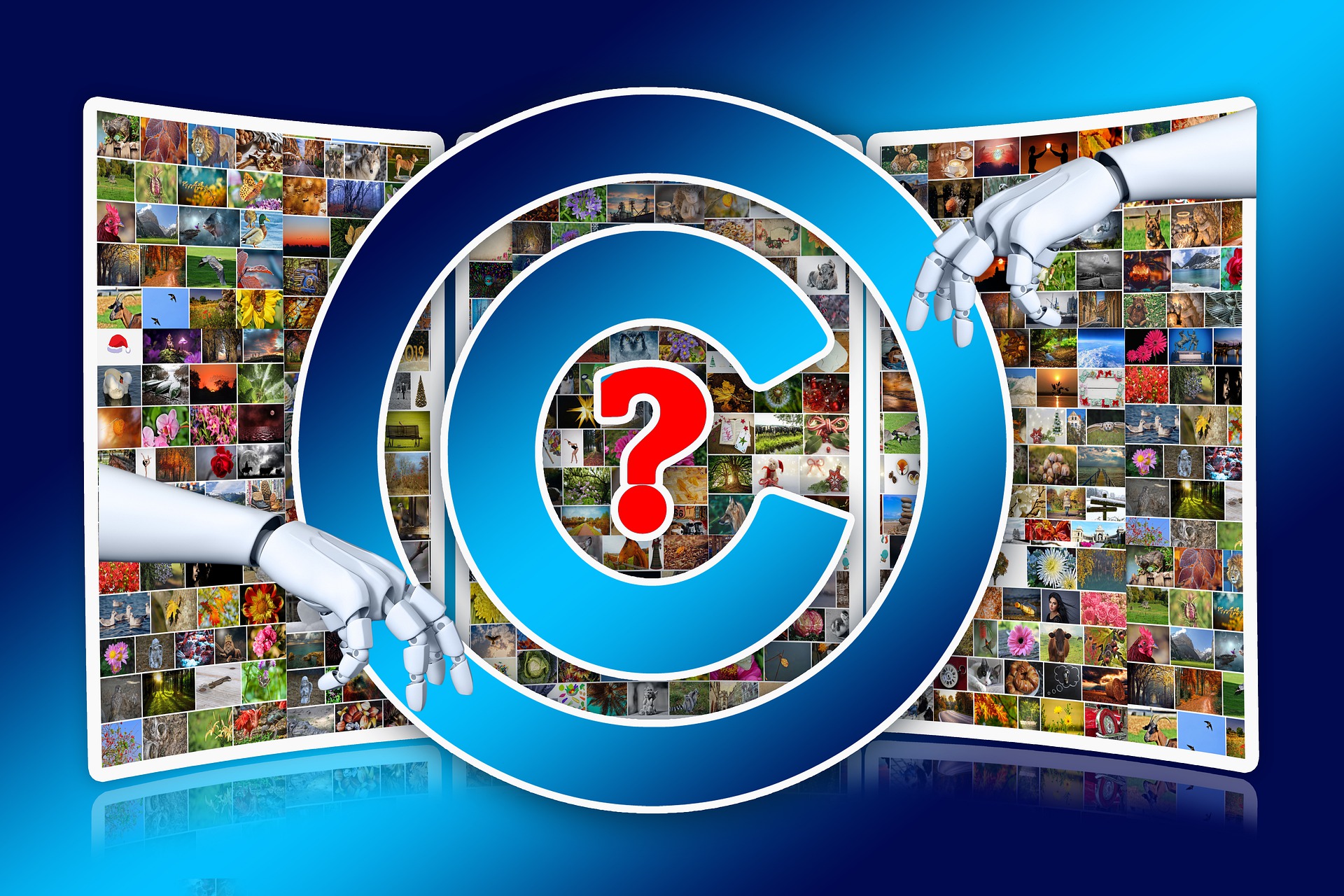
Small and Medium Enterprises (SMEs) are taking advantage of Artificial Intelligence (AI) technology to make their processes more efficient, helping them make better decisions, and increasing their overall success. The advantages of using AI are clear, but SMEs must bear in mind the regulations concerning copyright infringement and plagiarism when utilizing AI. This article will examine the principles governing AI copyright, such as for art or music, as well as the results of plagiarism in scholarly writing.
AI and SMEs: How AI is Changing the Game?
AI is offering SMEs a variety of ways to rival bigger corporations. By making use of AI tools and applications, small businesses can automate tedious activities, make more informed judgments, and enhance customer service. As an example, chatbots can be utilized to offer instant customer assistance, while predictive analytics can be used to uncover patterns and anticipate potential outcomes. The utilization of AI also helps SMEs find new prospects and raise their profits.
Plagiarism and AI
Plagiarism is the unauthorized use of another person’s work or ideas without providing recognition. AI technology can be used to create text, music, and other forms of content, often producing remarkable results. If someone takes another’s work and passes it off as their own after using AI to modify it slightly, this could be seen as plagiarism as well.
SMEs may find themselves on two sides of this topic. They could be plagiarizing content from a more successful business, or it may be them who are subject to plagiarism from a knock-off brand. Either way, for SMEs, this can bring about unfavorable outcomes, both legally and in terms of their public image.
AI can also be utilized to identify plagiarism. While AI-powered plagiarism detectors can pinpoint resemblances between two texts, they are not able to conclude if the use of another individual’s work is acceptable or a breach of copyright. Thus, it is vital for small businesses to comprehend fair use and infringement in order to prevent any legal issues. It’s better to be safe than sorry, isn’t it?

SME’s utilizing AI technology should be mindful of copyright regulations to guarantee that any content created by AI is not plagiarized but rather original. This can be accomplished by providing the AI system with proper instruction and verifying that it is not simply reproducing previously established material.
AI and Copyright: The Basics
Before delving into how AI and copyright interact, it’s essential to comprehend the fundamentals of copyright law. Copyright is a legal claim that allows the originator of an original work to have exclusive authority over its use, distribution, and monetization. Copyright legislation defends a broad selection of creative works such as literature, music, art, and software. Generally speaking, only productions generated by people can be copyrighted.
Navigating Copyright Issues in AI-generated Art
When creating content, SMEs may consider adding visual content. AI-generated artwork is becoming increasingly trendy, and some of these creations are being sold at high prices at art auctions. The most popular software that produces AI-generated art is Midjourney.
Midjourney is an artificial intelligence program that translates text into pictures based on what the user inputs. This technology has the potential to revolutionize art creation for people and businesses alike. Midjourney AI is becoming increasingly popular among SMEs.
However, who has the right to the copyright of this art—the artist or the AI? This is a complicated question, as copyright laws grant rights to whoever created the work. If an artist creates a computer program to aid them in their artistic endeavors, then they hold the copyright for the end result.
AI-Generated Music Copyright Ownership
SMEs may choose to use AI-generated music, thinking that they are safe from copyright laws by doing so. But are they? Some suggest that the individual who constructed the AI system that produced the music should be regarded as the author and possessor of copyright. Others argue that whoever instructed the AI or presented it with data to learn from ought to be credited as the author and copyright holder. Still, others propose that ownership of copyright should be shared between both human and computer-generated sources.
It is probable that laws will be created to address the issues concerning AI-produced music as it becomes more common. Until then, those who create AI-generated music should consult with lawyers to learn the best approach for safeguarding their intellectual property.
Citing AI in Papers: The Importance of Transparency
AI is being utilized more often in academic studies, and SMEs that employ AI for their studies must be open about the systems they use. With AI technology always changing, it can be tricky to provide precise information regarding the system employed. Nevertheless, SMEs should recognize any restrictions and potential prejudices in their research findings.
Popular AI Tools
AI tools, like machine learning algorithms, natural language processing, and chatbots, can assist SMEs in automating mundane jobs, examining consumer information, and sharpening their decision-making skills.
What is the tool that pops into your head when you hear AI? It’s probably Chat GPT. Let’s see how the use of Chat GPT affects SMEs.
Chat GPT
ChatGPT is a free informational resource that uses AI technology to provide answers through conversation rather than traditional search engine results.
ChatGPT can help SMEs in many ways. Some of them are shown below.
- Providing information and guidance: Chat GPT functions as a language model, possessing an extensive database of knowledge related to business management, marketing, and intellectual property.
- Conducting Research: Chat GPT is a useful tool for SMEs who want to do research on topics pertinent to their operations, such as consumer trends, consumer habits, and competitor analysis.
- Generating Content: Chat GPT can help SMEs with customer service by responding to commonly asked questions, troubleshooting problems, and offering assistance.
ChatGPT’s generated responses are not subject to copyright law, so they can be used without permission or a license. But it is essential to remember that these responses could contain copyrighted material from other sources, such as words or pictures. In these cases, it is critical to get permission or authorization to utilize the material for a certain purpose in order to prevent breaking the intellectual property rights of another person.
Final Thoughts
In the rapidly changing environment of technology, it is essential for small and medium-sized businesses to be aware of the relationship between artificial intelligence and copyright law. AI-generated content may create difficult issues, but it also offers possibilities for invention and imagination. By comprehending the regulations concerning AI and copyright, SMEs can guarantee that they are using these instruments responsibly and ethically.
SMEs should take advantage of the potential that AI technology offers while being aware of their legal responsibilities. By doing so, they can utilize AI tools to improve their business practices and create unique products while respecting the rights of authors and making sure that their use of AI complies with copyright regulations. As AI progresses further, it will be fascinating to observe how copyright laws adjust to accommodate the creative potential that AI offers.